
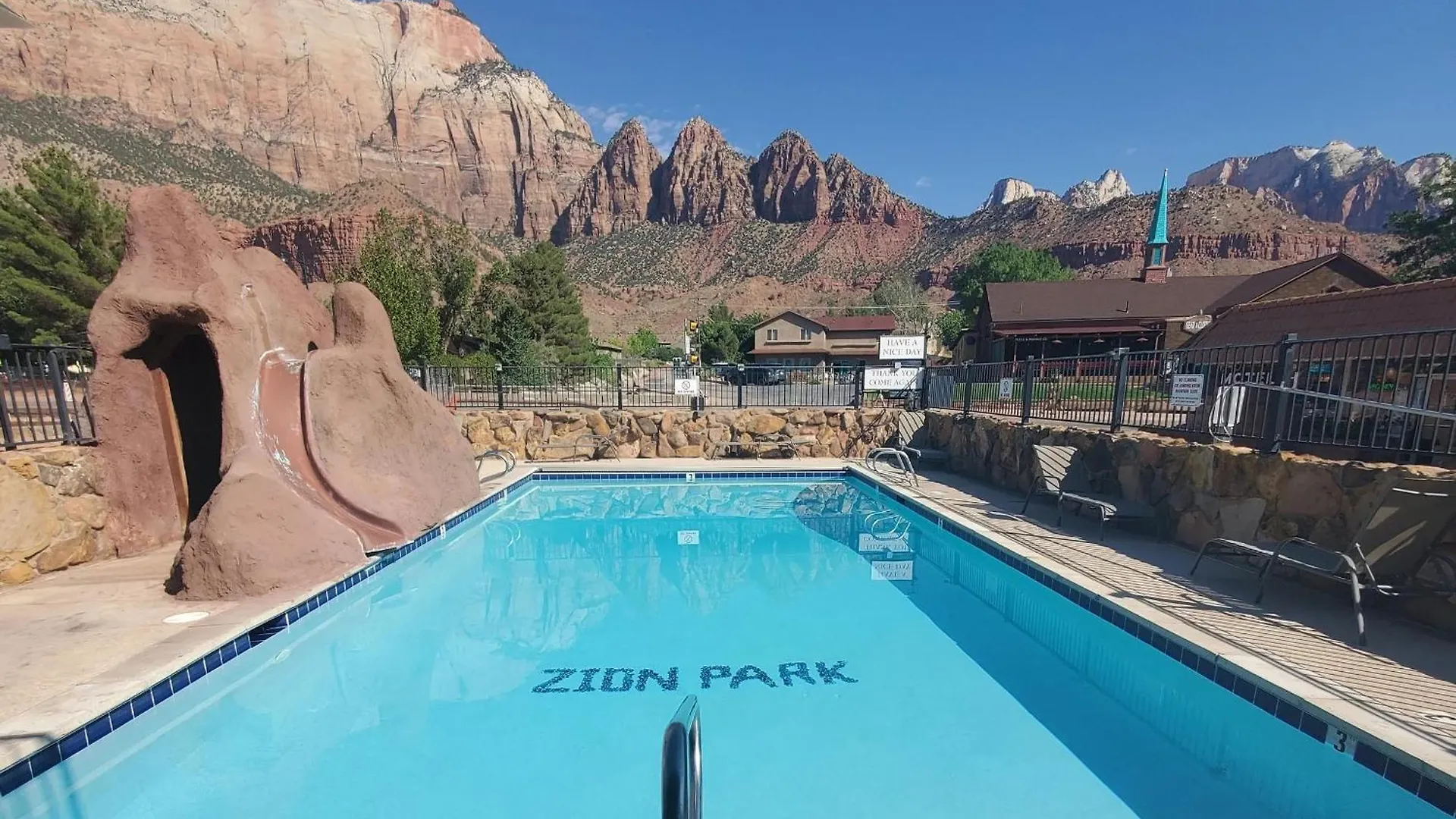
Utah's most sought-after hotels aren't just about amenities - they're about where you wake up. Travelers searching for hotels in Utah consistently prioritize proximity to national parks, ski resorts, and canyon trails over almost any other factor. This guide covers 11 properties that guests have rated highly for their location, spanning Springdale at the gates of Zion, Park City minutes from ski lifts, the remote serenity of Bluff, and lakefront access at Bear Lake - giving you a practical comparison across Utah's most distinct travel corridors.
What It's Like Staying in Utah
Utah is defined by geographic extremes - five national parks, world-class ski resorts, red rock desert, and alpine lakes, all within a state that requires serious planning around distances. Driving is non-negotiable in most of Utah; public transport is only functional within Salt Lake City and, seasonally, via shuttles into Zion and Bryce Canyon. Where you stay directly determines what you can realistically access each day, which makes location the single most important booking decision in this state.
The state draws a polarized traveler base: outdoor adventure seekers who camp or base themselves near trailheads, and visitors using Salt Lake City or Park City as urban anchors. Around 5 million people visit Zion National Park annually, creating genuine congestion in Springdale from March through October. Travelers who prioritize flexibility and park access will benefit most from staying in Utah's gateway towns rather than larger cities.
Pros:
- Unmatched access to five national parks and multiple canyon lands within a single state
- Gateway towns like Springdale and Torrey place you within minutes of park entrances, eliminating long morning drives
- Seasonal variety means ski season (November-April) and hiking season (May-October) attract completely different crowd profiles
Cons:
- Most of Utah lacks reliable public transportation, making a rental car essential outside Salt Lake City
- Peak spring and fall seasons push accommodation prices up significantly and fill properties weeks in advance
- Remote locations like Bluff or Duck Creek Village have limited dining and service options outside your accommodation
Why Choose Hotels Rated for Location in Utah
In a state where the drive from Salt Lake City to Zion National Park exceeds 4 hours, choosing a hotel rated highly for location is a strategic decision, not a preference. Properties positioned in gateway towns like Springdale, Torrey, or Panguitch cut your daily park commute to under 10 minutes, compared to properties in regional hubs that may add hours of round-trip driving. Location-rated hotels in Utah typically command a price premium of around 25% over equivalent properties further from park entrances - a cost that most travelers recover in fuel, time, and early-morning trail access before crowds arrive.
The trade-off is real: high-location-score properties in Springdale or Park City tend to have fewer rooms, limited on-site dining, and book out weeks or months ahead. In contrast, hotels in Layton or Cedar City offer more urban infrastructure but require daily driving to reach the parks themselves. For travelers doing a multi-park road trip, the question isn't whether location matters - it's which location to prioritize per night.
Pros:
- Walking or shuttle distance to park entrances saves at least 2 hours of driving per day during multi-night stays
- Early trailhead access before parking lots fill, which is critical at Zion and Bryce Canyon from May onward
- Immersive canyon or mountain settings that urban-area hotels cannot replicate
Cons:
- Gateway town hotels book up fast and rarely offer last-minute deals during peak season
- Dining options near top-rated location properties can be extremely limited, especially in rural southern Utah
- Higher nightly rates with fewer amenities compared to full-service hotels in Salt Lake City or St. George
Practical Booking & Area Strategy for Utah
Utah's geography divides naturally into four distinct travel corridors, each demanding a different base. Springdale is the obvious anchor for Zion National Park, with the free park shuttle stopping directly in town - essential from April through October when private vehicles are restricted on Zion Canyon Scenic Drive. Torrey serves Capitol Reef visitors and is the least crowded of Utah's park gateways, making it a strong option if you're visiting in June or September. Park City, just 43 km from Salt Lake City International Airport, functions as Utah's most accessible mountain base, combining ski resort proximity with a functioning Main Street for dining and nightlife.
For Bear Lake in northern Utah, Garden City is the only realistic base, and it operates almost entirely as a summer destination - lake access, cycling, and water activities peak from June through August. Southern Utah's Panguitch positions travelers centrally between Bryce Canyon and Cedar Breaks, though Cedar City Regional Airport is around 110 km away, meaning most arrivals come by car. Book Springdale and Park City properties at least 8 weeks ahead for any travel between April and October; Bluff, Panguitch, and Duck Creek Village allow shorter booking windows but still fill on holiday weekends. Hurricane, positioned 30 km from St. George, offers a quieter and more affordable base for travelers exploring the St. George area and Pine Valley without the full gateway-town premium.
Best Value Stays
These properties offer strong location scores at accessible price points, placing guests near key Utah attractions without the premium of full-service resort hotels.
-
1. Zion Park Motel
Show on map


 Check-infrom 15:00 until 23:30Check-outfrom 10:00 until 11:00
Rooms filling fast – secure the best rate!
fromUS$ 135
-
2. Hurricane Hideaway Lodging
Show on map


 Check-infrom 15:00 until 23:59Check-outuntil 11:00
Just a few rooms left at the best rate!
fromUS$ 87
-
3. Adobe Desert
Show on map


 Check-infrom 16:00 until 23:59Check-outfrom 10:00 until 11:00
Just a few rooms left at the best rate!
-
4. Park City Hostel
Show on map


 Check-infrom 15:00 until 22:30Check-outuntil 11:00
Just a few rooms left at the best rate!
fromUS$ 76
-
5. Candlewood Suites - Layton - Salt Lake City By Ihg
Show on map


 Check-infrom 15:00 until 23:59Check-outuntil 11:00
Best price guarantee
fromUS$ 134
Best Premium Stays
These properties offer standout location credentials combined with higher-quality facilities, distinctive settings, or direct proximity to Utah's most visited natural landmarks.
-
1. Red Rock Inn Cottages
Show on map


 Check-infrom 16:00 until 17:30Check-outfrom 06:00 until 10:00
Best price guarantee
fromUS$ 246
-
7. The Bungalows At Zion
Show on map


 Check-infrom 16:00 until 23:59Check-outuntil 10:00
Rooms filling fast – secure the best rate!
fromUS$ 167
-
3. The Rim Rock Inn
Show on map


 Check-infrom 14:00 until 22:00Check-outuntil 11:00
Best price guarantee
fromUS$ 114
-
9. The Lodge At Duck Creek
Show on map


 Check-infrom 15:00 until 23:59Check-outuntil 11:00
Hurry – almost gone at this price!
fromUS$ 364
-
5. Blue Water
Show on map


 Check-infrom 16:00 until 23:59Check-outuntil 10:00
Hurry – almost gone at this price!
fromUS$ 170
-
6. Willow Street Cottages
Show on map


 Check-infrom 16:00 until 23:59Check-outuntil 11:00
Hurry – almost gone at this price!
fromUS$ 175
Smart Travel & Timing Advice for Utah
Utah's travel calendar is split by geography. Spring (mid-March through May) and fall (September through October) are peak season for southern Utah parks - Zion, Bryce Canyon, and Capitol Reef see maximum visitor volumes during this window, and Springdale hotels in particular fill at least 6 weeks ahead. Summer heat in southern Utah regularly exceeds 38°C in canyon bottoms, which pushes some travelers toward higher-elevation alternatives like Duck Creek Village or Cedar Breaks. Park City and Bear Lake operate on an opposite calendar: ski season peaks from December through March, while Bear Lake's summer season runs June through August with accommodation availability tightening on weekends.
For Capitol Reef and Bluff, late April and October offer the best combination of mild temperatures and thinner crowds - these areas see far less visitor pressure than Zion and can be booked with shorter lead times outside of holiday weekends. A minimum of 2 nights per gateway town is the practical threshold for any meaningful park experience; one-night stops in Springdale or Torrey don't allow enough time to recover, explore, and reach trailheads before the daily crowds build. Last-minute deals are rare in Springdale and Park City during peak season; mid-week stays consistently run lower than weekend rates across all Utah gateway areas.


