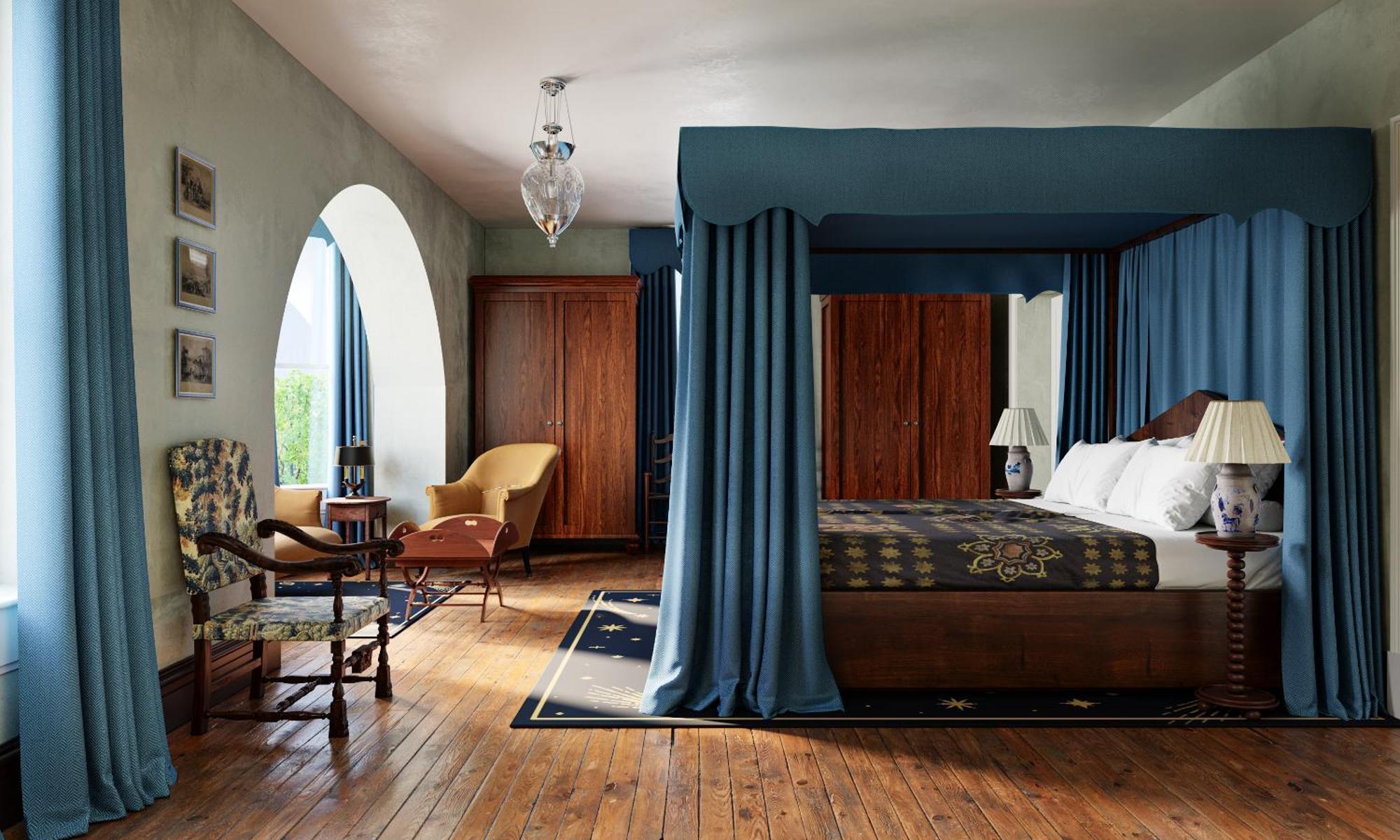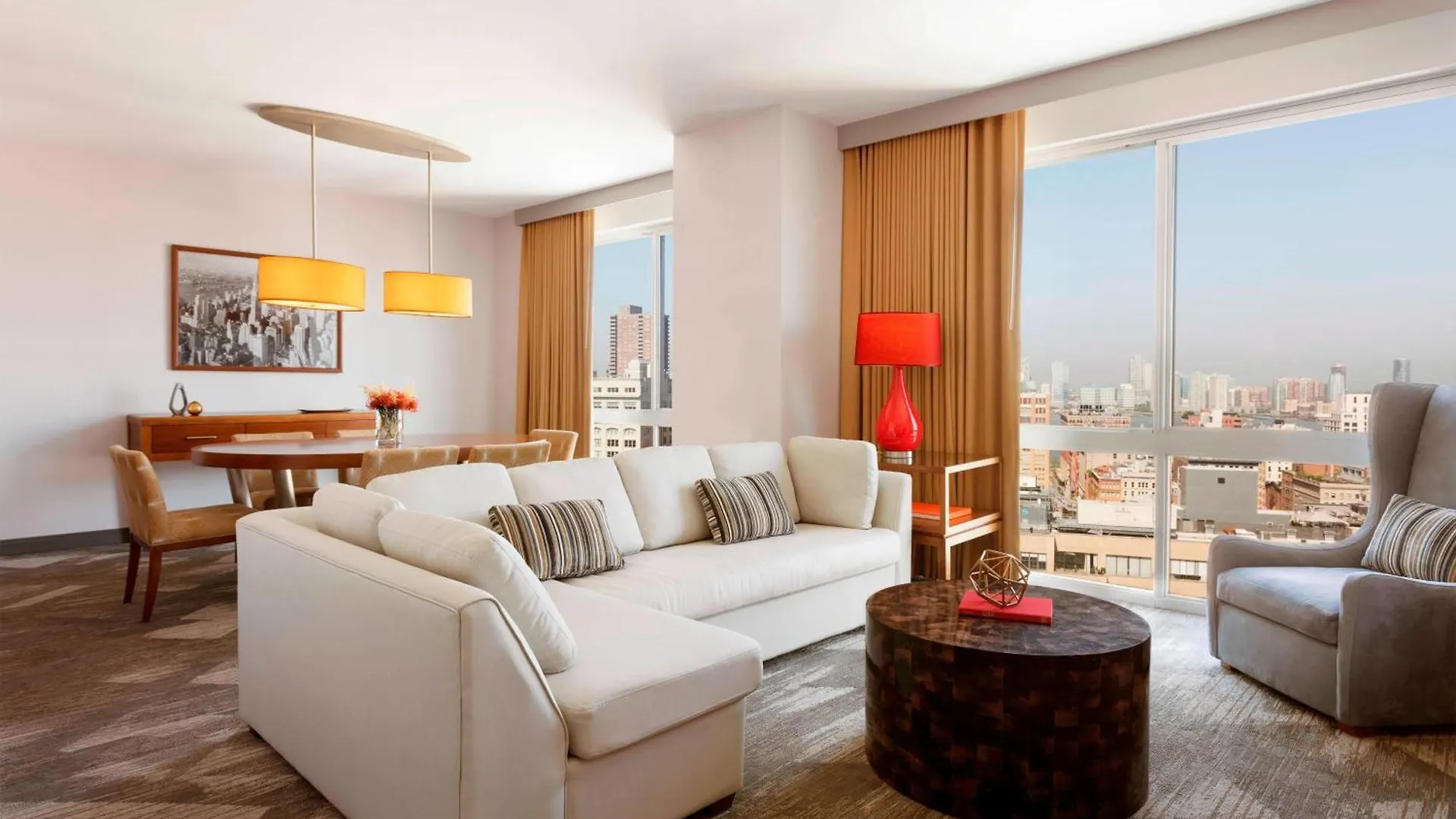
Tribeca sits at the southwestern edge of Lower Manhattan, bordered by Canal Street to the north and Chambers Street to the south. Once a warehouse district, it now holds some of Manhattan's most expensive real estate and a concentrated cluster of four-star hotels that draw business travelers, weekend visitors, and anyone who wants proximity to Lower Manhattan without the Financial District's corporate density. This guide breaks down exactly what staying in Tribeca at the four-star level means in practical terms - location trade-offs, booking timing, and which of the four properties here actually fits your trip.
What It's Like Staying in Tribeca
Tribeca operates at a different pace than Midtown - streets are quieter after 9 PM, foot traffic is low compared to the rest of Manhattan, and the neighborhood rewards walkers with wide cobblestone blocks and converted cast-iron loft buildings. Canal Street (the northern boundary) connects directly to the A/C/E and 1/2/3 subway lines, putting you within around 15 minutes of Penn Station or the World Trade Center. The Hudson River waterfront is walkable in under 10 minutes from most hotels here, and SoHo's retail corridor starts immediately north of Canal.
Pros:
- Direct subway access at Canal Street keeps transit efficient without needing taxis for most Lower Manhattan destinations
- Significantly less street noise at night compared to Midtown or Times Square-adjacent hotels at the same price tier
- Walking distance to the 9/11 Memorial, One World Trade Center, Brooklyn Bridge, and SoHo - without needing to navigate tourist-heavy corridors
Cons:
- Limited late-night dining options within the immediate blocks - most restaurants close by 11 PM
- Getting to Midtown by subway takes around 25 minutes, which adds up on multi-destination itineraries
- Fewer budget options nearby mean you're largely committed to mid-to-upper pricing once you're in this zip code
Why Choose a Four-Star Hotel in Tribeca
Four-star properties in Tribeca tend to occupy converted commercial buildings or purpose-built hotels that prioritize space and character over density - you're less likely to find paper-thin walls and micro-rooms than in equivalent-rated Midtown hotels. Room sizes here average noticeably larger than comparable four-star stays in Times Square, and the trade-off of paying a location premium is offset by significantly lower noise levels and a more navigable street grid. Expect to pay around 20% more per night than a four-star in the Financial District a few blocks south, but you gain better restaurant access and a more walkable cultural footprint.
Pros:
- Room square footage tends to run larger than Midtown four-star equivalents at similar or only slightly higher nightly rates
- Proximity to both Lower Manhattan business hubs and SoHo leisure destinations makes the location work for mixed-purpose trips
- Hotels here typically include amenities like 24-hour fitness centers, on-site bars, and concierge services that budget-tier properties in adjacent neighborhoods don't offer
Cons:
- Weekend rates spike sharply during New York Fashion Week and major financial conferences - booking early is essential
- Parking in Tribeca is expensive and scarce; none of these hotels offer complimentary parking
- The neighborhood has limited convenience stores and pharmacies compared to Midtown, which can be inconvenient for short stays
Practical Booking & Area Strategy
The strongest micro-location within Tribeca for hotel access is the stretch along West Broadway and Varick Street, where you're within a single block of the 1 train and a short walk from both Canal Street and Chambers Street stations. Hotels positioned north of Franklin Street put you closest to SoHo retail without needing transit; those south of Leonard Street give you faster walking access to the 9/11 Memorial and Brookfield Place. Book at least 6 weeks ahead for stays between September and November, when the combination of fashion events, financial conferences, and fall tourism compresses availability sharply.
Tribeca's main draw for visitors beyond its hotels includes the Tribeca Film Festival (held in spring), the Hudson River Park waterfront, the Oculus transit hub, and the National September 11 Memorial - all reachable without a subway ride from any property listed here. The Holland Tunnel entrance on Canal Street makes this neighborhood unusually convenient for travelers arriving by car from New Jersey, though driving into Manhattan still adds unpredictable time to any arrival. For late-night arrivals, Canal Street remains active and well-lit, and the subway runs 24 hours on the A/C lines.
Best Value Stays
These properties deliver strong four-star positioning with a focus on location efficiency and transit access - both sitting within direct walking distance of Canal Street subway lines and key Lower Manhattan landmarks.
-
1. Sheraton Tribeca New York Hotel
Show on map


 Check-infrom 15:00 until 23:59Check-outuntil 12:00
Just a few rooms left at the best rate!
fromUS$ 87
-
2. Walker Hotel Tribeca
Show on map


 Check-infrom 15:00 until 23:59Check-outuntil 11:00
Just a few rooms left at the best rate!
fromUS$ 153
Best Premium Stays
These two properties go beyond standard four-star features with distinctive on-site experiences, standout room amenities, and a stronger sense of place - both are recognizable names in the Tribeca hotel scene for a reason.
-
3. Roxy Hotel New York
Show on map


 Check-infrom 15:00 until 23:59Check-outuntil 12:00
Hurry – almost gone at this price!
fromUS$ 521
-
4. Hotel 50 Bowery, Part Of Jdv By Hyatt
Show on map


 Check-infrom 16:00 until 23:59Check-outfrom 06:00 until 11:00
Rooms filling fast – secure the best rate!
fromUS$ 373
Smart Travel & Timing Advice for Tribeca
Tribeca sees its sharpest demand spikes in September and October, driven by New York Fashion Week (early September) and the concentrated fall conference season in the Financial District. Rates during these weeks can climb around 35% above the summer baseline, and availability at the four properties listed here compresses fast - booking 8 weeks out for September stays is the minimum safe window. January and February are the softest months for pricing, with business travel down and tourism at its annual low; this is when you're most likely to find the Roxy or Sheraton at rates that rarely appear the rest of the year.
A stay of 3 nights is the practical minimum for getting full value from a Tribeca base - one day for Lower Manhattan (9/11 Memorial, One World Observatory, Brooklyn Bridge), one for SoHo and the Village, and one for exploring the Hudson River waterfront and Brookfield Place. Last-minute booking rarely works here outside of winter; the neighborhood's limited hotel supply means rooms sell through well before arrival date during any moderate-demand period. If your dates are flexible, Tuesday and Wednesday check-ins consistently return lower rates than weekend arrivals across all four properties.